
high school basketball practice plans pdf
Need winning basketball drills? Grab our free, ready-to-use high school basketball practice plans in PDF format! Improve skills & teamwork today. Get the edge!
High School Basketball Practice Plans: A Comprehensive Guide
Effective high school basketball necessitates organization, integrating life lessons and academics. A unified curriculum, Grades 9-12, fosters skill development,
preparing athletes for higher levels.
Understanding the Importance of Structured Practice
In the demanding landscape of high school athletics, where resources like facilities, time, and qualified supervision are often limited, a meticulously structured practice regimen isn’t merely beneficial – it’s absolutely essential. Basketball, uniquely positioned, offers a powerful platform to impart valuable life lessons and reinforce academic skills within a competitive sports environment.
A well-defined practice structure transcends simply running drills; it’s about intentional teaching. When a single individual oversees all basketball programs within a school, a cohesive, progressive curriculum spanning Grades 9 through 12 becomes achievable. This unified approach ensures consistent instruction, building a solid foundation of skills that progressively prepares student-athletes for the challenges of Senior Boys Basketball and beyond.
Such structure maximizes efficiency, ensuring every practice session contributes meaningfully to player development. It fosters discipline, accountability, and a deeper understanding of the game, ultimately enhancing both individual performance and team success.
The Role of a Unified Curriculum (Grades 9-12)
Implementing a unified basketball curriculum across all high school grade levels – from freshman to senior year – is paramount for sustained player development and program success. This approach ensures a consistent progression of skills, building upon foundational concepts introduced in the earlier years. A single overseeing authority can champion this consistency, ensuring each coach adheres to the same core principles and drills.
This isn’t about rigid uniformity, but rather a shared framework. Each grade level can tailor drills to suit the athletes’ evolving physical and mental capabilities. However, the underlying objectives – shooting form, passing accuracy, defensive positioning, and offensive strategies – remain consistent. This allows for seamless transitions between teams and minimizes redundant instruction.
A unified curriculum also facilitates effective player evaluation and identification of talent. Coaches can accurately assess players’ progress relative to their grade level and potential, streamlining the process of building competitive teams at each level.
Practice as Instruction: The Coach as Teacher
Reframing basketball practice as a classroom environment fundamentally shifts the coach’s role. Instead of simply running drills, the coach becomes an instructor, responsible for imparting knowledge and fostering skill development. The basketball court transforms into a dynamic learning space where athletes acquire not only technical abilities but also valuable life lessons like discipline, teamwork, and perseverance.
Effective coaching requires establishing clear end goals for each practice session. Work backwards from these objectives, breaking down complex skills into manageable “chunks” that can be mastered incrementally. Constant observation and real-time adjustments are crucial; adapt the pace and complexity of drills based on players’ understanding and progress.
Don’t hesitate to “blow the whistle” and correct mistakes immediately. High expectations and consistent enforcement of standards are essential for cultivating a culture of accountability and continuous improvement. Remember, practice isn’t just about repetition; it’s about deliberate, focused instruction.
Setting Goals and Chunking Skills Development
Successful basketball practice hinges on a strategic approach to skill development, beginning with clearly defined goals. These objectives shouldn’t be vague aspirations but rather specific, measurable outcomes for each practice session and throughout the season. Once established, the process of “chunking” becomes vital – breaking down larger skills into smaller, more manageable components.
For example, improving shooting isn’t a single task; it’s a series of steps: stance, grip, release, follow-through. Each element is practiced individually before being integrated into a complete shooting motion. This incremental approach prevents overwhelm and allows players to build confidence as they master each component.
Progress tracking is also key. Regularly assess players’ abilities and adjust practice plans accordingly. This ensures that instruction remains relevant and challenging, fostering continuous growth. Remember, effective skill development isn’t about doing more, it’s about doing the right things consistently.
Real-Time Adjustments and Player Assessment
A rigid practice plan is rarely effective. Coaches must be observant and adaptable, making real-time adjustments based on player performance and understanding. If a drill isn’t clicking, don’t stubbornly persist; modify it or move on. This responsiveness demonstrates a commitment to maximizing learning opportunities.
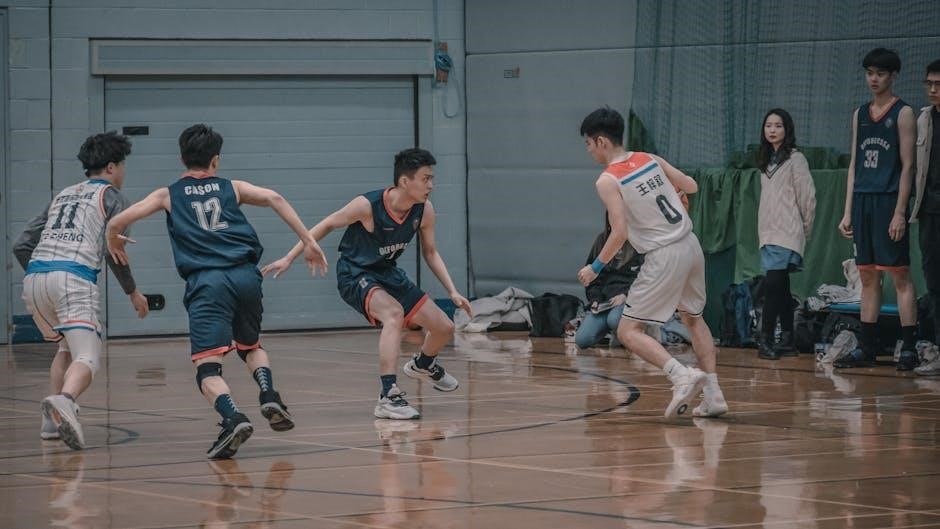
Player assessment isn’t solely about identifying weaknesses. It’s about understanding each athlete’s learning style, strengths, and areas for improvement. Frequent, informal “quizzes” – through competitive drills or 5v5 scrimmages – provide valuable insights. These assessments should inform individualized coaching points.
Don’t hesitate to pause practice and address errors immediately. A swift whistle and focused correction are far more impactful than letting mistakes become ingrained habits. Consistent feedback, both positive and constructive, is crucial. Remember, assessment is an ongoing dialogue, not a one-time event.
Utilizing Competition and 5v5 Scrimmages
Competition injects energy and purpose into practice. Integrate competitive drills regularly – not as punishment, but as opportunities for players to apply learned skills under pressure. These drills should mirror game-like scenarios, fostering quick decision-making and strategic thinking.
5v5 scrimmages are invaluable for translating individual skill development into team cohesion. However, scrimmages shouldn’t be chaotic free-for-alls. Implement specific objectives – focusing on offensive execution, defensive rotations, or transition play – to ensure focused learning.
Use scrimmages as assessment tools. Observe player performance, identify areas needing refinement, and provide immediate feedback. Don’t shy away from stopping play to correct mistakes or reinforce concepts. Competition, when structured effectively, accelerates learning and builds team chemistry;
Maintaining High Expectations and Discipline
Establishing clear, high expectations is fundamental to a successful basketball program. These expectations should encompass effort, attitude, respect, and accountability – both on and off the court. Communicate these standards explicitly and consistently, ensuring every player understands what is expected of them.
Discipline isn’t about punishment; it’s about creating a structured environment conducive to learning and growth. When players deviate from established standards, address the issue immediately and directly. A swift whistle and clear correction are often more effective than prolonged reprimands.
Consistency is key. Enforce rules fairly and impartially, regardless of a player’s skill level or status on the team. High expectations, coupled with consistent discipline, cultivate a culture of responsibility and respect, maximizing player potential.
Warm-Up Drills: Preparing for Intensity
A comprehensive warm-up is crucial for injury prevention and optimal performance. It should progressively increase heart rate, blood flow, and muscle temperature, preparing players for the demands of practice or competition. Static stretching should be minimized before activity, favoring dynamic movements instead.
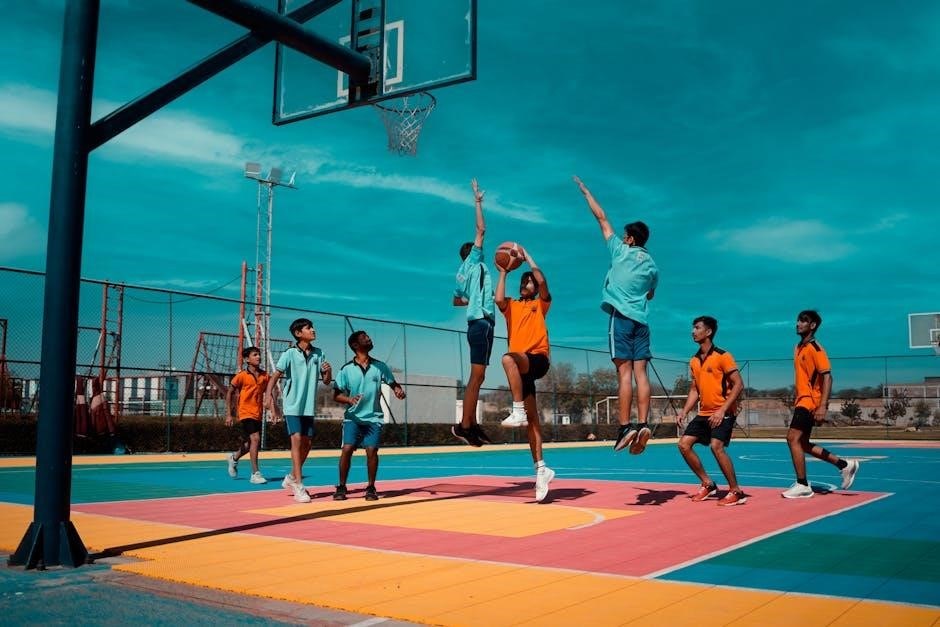
Begin with light cardio, such as jogging or jumping jacks, followed by dynamic stretches like leg swings, arm circles, and torso twists. Incorporate basketball-specific movements, gradually increasing intensity. The 3-man weave, for example, is an excellent dynamic warm-up that improves agility, passing, and ball-handling skills.
Focus on activating key muscle groups used in basketball – legs, core, and shoulders. A well-executed warm-up not only reduces the risk of injury but also enhances performance by improving reaction time, agility, and overall athleticism.
3-Man Weave and Similar Dynamic Warm-Ups
The 3-man weave is a foundational dynamic warm-up, enhancing passing accuracy, ball-handling dexterity, and court awareness. Players weave through cones or teammates, passing the ball continuously while maintaining speed and control. This drill effectively elevates heart rate and prepares muscles for more strenuous activity.
Beyond the weave, incorporate other dynamic movements like carioca, butt kicks, high knees, and lateral shuffles. These exercises improve agility, coordination, and flexibility. Partner passing drills, focusing on quick, accurate passes, are also beneficial.
Emphasize proper technique throughout these warm-ups. Coaches should actively correct form and encourage players to maintain intensity. Dynamic warm-ups should be game-like, simulating the movements players will perform during practice or competition, maximizing their effectiveness and preparing them physically and mentally.
Offensive Skill Development Focus
A robust offensive skillset is paramount in high school basketball. Practice should prioritize fundamental techniques like dribbling – emphasizing control with both hands, change of pace, and protecting the ball. Passing drills should focus on accuracy, speed, and decision-making, incorporating various pass types (chest, bounce, overhead).
Footwork is crucial; drills should develop pivoting, jab steps, and quick cuts to create separation. Post players require specific drills for establishing position, sealing defenders, and executing drop steps. Offensive movement without the ball – cutting, screening, and spacing – must be ingrained through repetition.
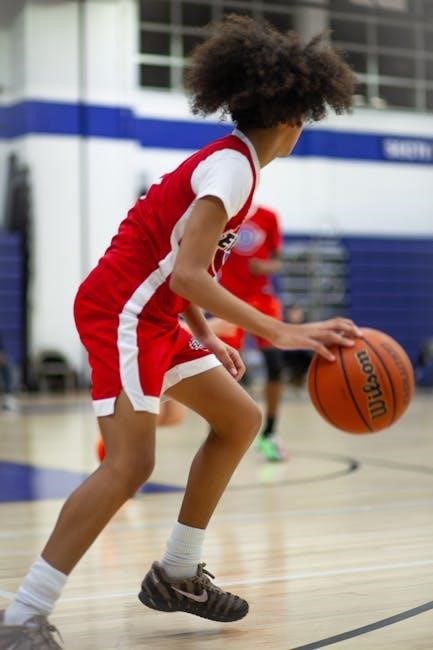
Transition offense deserves dedicated practice time, focusing on quick outlet passes and filling lanes. Coaches should integrate these skills into game-like scenarios, progressing from individual drills to small-sided games, ultimately building a cohesive and dynamic offensive system.
Shooting Workouts: Building Consistency
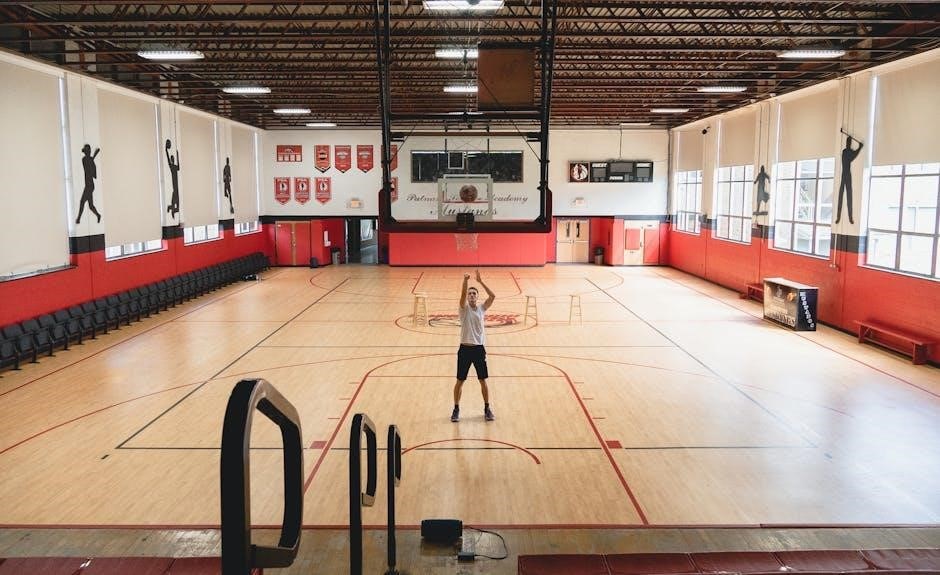
Consistent shooting stems from proper form and dedicated practice. Workouts should begin with form shooting, emphasizing B.E.E.F. (Balance, Eyes, Elbow, Follow-through). Players must develop a repeatable shooting motion, focusing on a consistent release point and arc.
Progress to spot shooting, starting close to the basket and gradually increasing distance. Incorporate shooting off the dribble, emphasizing a balanced gather and quick release. Vary shot types – jump shots, layups, floaters – to develop versatility.
Rhythm shooting drills are vital, promoting a smooth and fluid motion. Utilize game-speed shooting scenarios, simulating shots taken during actual games. A 7-day plan, like a “500 shot workout”, can build endurance and reinforce technique. Tracking makes and misses provides valuable feedback, fostering accountability and improvement.
500 Shot Shooting Workout (7-Day Plan)
This intensive 7-day plan aims to dramatically improve shooting volume and consistency. Each day features 500 shots, broken down into varied drills. Day 1 focuses on layups (100), free throws (100), and form shooting (300). Day 2 introduces jump shots from various spots (250) and shooting off the dribble (250).
Days 3-7 progressively increase difficulty, incorporating game-speed shooting, shooting after sprints, and shooting with defensive pressure. A sample breakdown: 50 layups, 75 free throws, 175 spot-up jumpers, 100 shots off the dribble, and 100 moving shots.
Record makes and misses daily to track progress. Emphasize proper form throughout, even when fatigued. This plan demands discipline and commitment, but yields significant improvements in shooting percentage and confidence. Remember to hydrate and stretch adequately before and after each session.
Shooting Exercises for Balance and Rhythm
Developing consistent shooting hinges on mastering balance and rhythm. One exercise involves shooting while consciously seeking balance – focusing on a stable base, aligned shoulders, and a smooth transfer of weight. Players should practice shooting after slight imbalances, like a small hop or a controlled lean, to enhance their recovery and stability.
Double rhythm shooting drills are crucial. This involves a two-beat rhythm: dip, shoot. Players practice shooting with a deliberate pause at the lowest point of their shot, emphasizing a fluid and controlled release. Variations include adding a dribble before the dip or incorporating a pass.
Another drill focuses on shooting after a specific number of dribbles, forcing players to maintain rhythm while moving. Consistent repetition builds muscle memory and promotes a natural, balanced shooting motion. Focus on a high release point and proper follow-through.
Double Rhythm Shooting Drills
Double rhythm shooting drills are foundational for developing a consistent and repeatable shooting motion. These drills emphasize a deliberate two-beat rhythm: a dip followed immediately by the shot. This pause at the lowest point of the shot encourages players to load their legs properly and generate power from the ground up.
Begin with stationary shooting, focusing solely on the dip-shoot rhythm. Progress to shooting off the dribble, maintaining the same rhythm after one or two dribbles. Variations include adding a pass before the dip, forcing players to catch and shoot in rhythm.
Coaches should emphasize a smooth, fluid motion, avoiding any jerky movements. Players should focus on maintaining balance throughout the drill and finishing with a proper follow-through. Consistent repetition builds muscle memory and reinforces the correct shooting technique.
Basketball Tryout/Training Matrix
A comprehensive basketball tryout and training matrix is crucial for objective player evaluation and skill development. This matrix should outline specific skills assessed – shooting (form, accuracy, range), ball-handling (dribbling, passing), footwork (pivoting, defensive slides), and athleticism (speed, agility, vertical jump).
The matrix should span multiple dates, progressively increasing in intensity and complexity. Initial sessions focus on individual skill demonstrations, followed by small-group drills and culminating in full-court scrimmages. Each skill is assigned a scoring rubric, ensuring consistent evaluation across all players.
Training components within the matrix should address identified weaknesses. Targeted drills and exercises are assigned based on individual player needs. Regular assessments track progress and adjust training plans accordingly. This structured approach maximizes player potential and fosters a competitive environment.
Summer Basketball Skills Club Programs
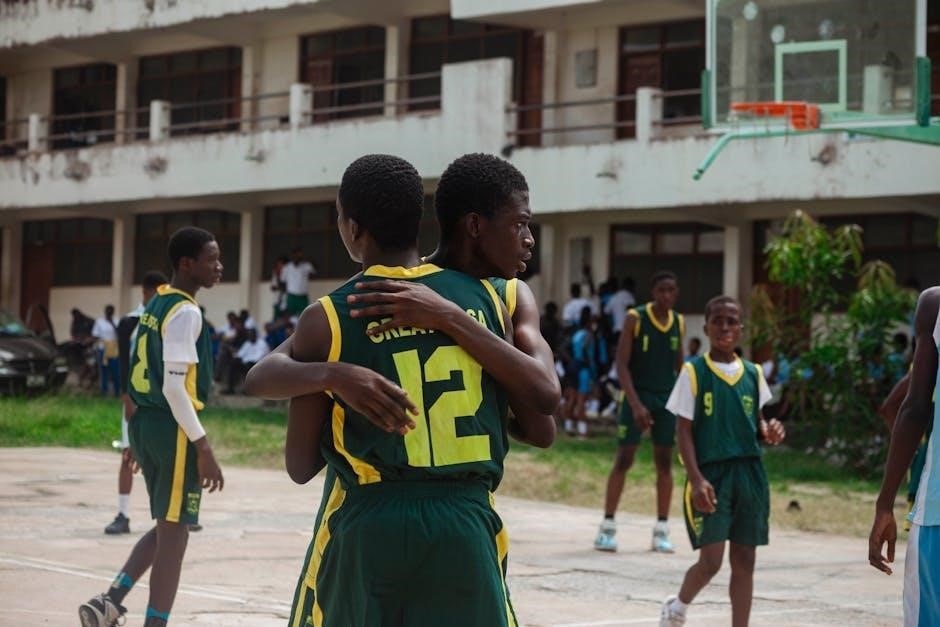
Summer basketball skills clubs provide an invaluable opportunity for players to refine their game outside the traditional season. These programs should emphasize individual skill development, focusing on areas like shooting technique, ball-handling proficiency, and defensive fundamentals. Encouraging consistent practice with peers and independent work is key.
A well-structured club program incorporates a variety of drills and activities, including shooting workouts, dribbling circuits, and competitive scrimmages. Emphasis should be placed on proper form and technique, fostering long-term improvement. Coaches should provide individualized feedback and guidance, addressing each player’s specific needs.

Furthermore, summer programs can incorporate strength and conditioning components, enhancing athleticism and injury prevention. Promoting a positive and supportive environment encourages players to push their limits and develop a love for the game. Regular assessments track progress and motivate continued effort.