

calorie deficit meal plan pdf
Struggling to reach your goals? Grab our FREE 7-day **calorie deficit meal plan** PDF! Delicious recipes & simple strategies to shed pounds & feel amazing. Download now!
Calorie Deficit Meal Plan PDF: A Comprehensive Guide
A streamlined calorie deficit meal plan‚ often available as a PDF‚ delivers simple‚ satisfying meals. This approach aids in reducing calorie intake without deprivation‚
focusing on lean proteins‚ vegetables‚ and whole grains for sustained fullness and enjoyment.

Understanding Calorie Deficits
Calorie deficits are fundamental to weight loss‚ representing the imbalance between calories consumed and calories expended. To initiate weight loss‚ your body needs to burn more calories than it takes in‚ prompting it to tap into stored energy – fat. A daily deficit of 250 to 1000 calories is generally recommended‚ though individual needs vary significantly based on factors like starting weight‚ sex‚ Body Mass Index (BMI)‚ activity level‚ and overall health goals.
Successfully implementing a calorie deficit isn’t about drastic restriction; it’s about making informed food choices. Prioritizing nutrient-dense foods – those packed with vitamins‚ minerals‚ and fiber – helps you feel fuller for longer on fewer calories. This approach minimizes hunger and cravings‚ making the plan more sustainable. A well-structured calorie deficit meal plan‚ often conveniently formatted as a PDF‚ provides a roadmap for achieving this balance‚ offering meal ideas and portion guidance.
Understanding your individual calorie needs is the first step. Online calculators and consultations with registered dietitians can help determine your baseline metabolic rate and daily energy expenditure. From there‚ a safe and effective deficit can be calculated and incorporated into a personalized meal plan.
What is a Calorie Deficit?
A calorie deficit occurs when you consistently consume fewer calories than your body uses for daily functions and activity. This forces your body to utilize stored fat for energy‚ leading to weight loss. It’s not about starvation‚ but rather a strategic reduction in energy intake. Think of it as creating an energy gap – the wider the gap (within safe limits)‚ the faster the weight loss‚ though sustainability is key.
A calorie deficit meal plan‚ often provided as a PDF for easy access‚ is a structured approach to achieving this gap. These plans typically emphasize whole‚ unprocessed foods‚ lean proteins‚ and plenty of non-starchy vegetables. They aim to maximize satiety while minimizing calorie density. The goal is to feel full and nourished‚ not deprived and hungry.
Effective calorie deficit plans aren’t one-size-fits-all; They should be tailored to individual needs and preferences. A PDF plan can serve as a starting point‚ but adjustments may be necessary based on your activity level‚ metabolism‚ and how your body responds.
Calculating Your Daily Calorie Needs

Determining your daily calorie needs is the crucial first step before embarking on a calorie deficit meal plan‚ often accessed as a convenient PDF. Several factors influence this number‚ including your age‚ sex‚ weight‚ height‚ and activity level. Online calorie calculators are readily available‚ providing an estimated baseline based on these inputs.
These calculators typically estimate your Basal Metabolic Rate (BMR) – the calories your body burns at rest – and then factor in your activity level. A sedentary lifestyle requires fewer calories than a highly active one. Remember‚ these are estimations; individual metabolisms vary.
Once you have your estimated daily calorie needs‚ you can then determine a safe and sustainable calorie deficit. A PDF meal plan will be most effective when built upon an accurate understanding of your individual energy expenditure. Tracking your food intake for a few days before starting a plan can also provide valuable insights.
Determining Your Ideal Calorie Deficit (250-1000 Calories)
Establishing an appropriate calorie deficit is paramount for successful and sustainable weight loss when utilizing a calorie deficit meal plan‚ often found in PDF format. A deficit of 250-1000 calories per day is generally recommended‚ but the ideal range varies significantly.
A smaller deficit (250-500 calories) is often best for beginners or individuals with less weight to lose‚ promoting gradual and sustainable results. Larger deficits (500-1000 calories) may be suitable for those with higher starting weights and activity levels‚ but require careful monitoring to avoid nutrient deficiencies or metabolic slowdown.
Consider your body composition‚ activity level‚ and overall health. A PDF plan should be tailored to your needs. Rapid weight loss isn’t always healthy. Aim for 1-2 pounds of weight loss per week. Consulting a registered dietitian can help determine the safest and most effective calorie deficit for your individual circumstances.

Building Your Calorie Deficit Meal Plan

Crafting a calorie deficit meal plan‚ often accessed as a PDF‚ centers on prioritizing macronutrients – protein‚ carbohydrates‚ and fats – for optimal nutrition and satiety.
Prioritizing Macronutrients: Protein‚ Carbs‚ and Fats
When constructing a calorie deficit meal plan‚ often found as a convenient PDF‚ understanding macronutrient roles is crucial. Protein takes center stage‚ promoting satiety and preserving lean muscle mass during weight loss. Aim for adequate intake with each meal‚ incorporating lean meats‚ poultry‚ fish‚ eggs‚ or plant-based sources like beans and lentils.
Carbohydrates provide energy‚ but choosing wisely is key. Prioritize complex carbohydrates from whole grains – quinoa‚ brown rice‚ oats – and non-starchy vegetables over refined carbs like white bread and sugary cereals. These offer sustained energy and fiber‚ aiding fullness.
Healthy fats are also essential‚ supporting hormone production and overall health. Include sources like avocados‚ nuts‚ seeds‚ and olive oil in moderation. A balanced approach‚ reflected in a well-designed PDF meal plan‚ ensures you’re not overly restricting any macronutrient‚ leading to better adherence and sustainable results. Remember‚ a PDF can visually represent these proportions.
The Importance of High-Protein Foods
A successful calorie deficit meal plan‚ often conveniently delivered as a PDF‚ heavily emphasizes high-protein foods. Protein is paramount for weight loss‚ offering several key benefits; It significantly boosts satiety‚ helping you feel fuller for longer and reducing cravings – a crucial element when consuming fewer calories.
Furthermore‚ protein plays a vital role in preserving lean muscle mass. During a calorie deficit‚ the body can sometimes break down muscle for energy. Adequate protein intake mitigates this‚ ensuring you lose primarily fat. Excellent sources include lean meats like chicken and turkey‚ fish‚ eggs‚ Greek yogurt‚ and plant-based options like tofu and lentils.
A well-structured PDF meal plan will showcase how to incorporate protein into every meal. Aim for a consistent intake throughout the day to maximize these benefits. Prioritizing protein isn’t just about weight loss; it’s about maintaining a healthy body composition and supporting overall well-being during your journey.
Incorporating Non-Starchy Vegetables
A comprehensive calorie deficit meal plan‚ frequently found as a downloadable PDF‚ strategically incorporates a generous serving of non-starchy vegetables. These nutritional powerhouses are incredibly low in calories yet exceptionally high in fiber‚ vitamins‚ and minerals‚ making them indispensable for weight loss.
Fiber promotes fullness‚ aiding in calorie control and reducing the likelihood of overeating. Non-starchy vegetables add bulk to meals without significantly increasing the calorie count. Examples include spinach‚ broccoli‚ cauliflower‚ asparagus‚ bell peppers‚ and lettuce. They’re versatile and can be enjoyed raw‚ steamed‚ roasted‚ or sautéed.
A well-designed PDF meal plan will demonstrate how to seamlessly integrate these vegetables into breakfast‚ lunch‚ and dinner. Filling half your plate with non-starchy vegetables is a simple yet effective strategy. They not only support weight loss but also contribute to overall health and well-being‚ providing essential nutrients your body needs.
Choosing Whole Grains Over Refined Carbs
A successful calorie deficit meal plan‚ often delivered as a convenient PDF‚ emphasizes the importance of selecting whole grains over refined carbohydrates. This simple swap significantly impacts satiety‚ blood sugar levels‚ and overall nutritional value‚ supporting sustainable weight loss.
Refined carbs‚ like white bread and white rice‚ are quickly digested‚ leading to rapid spikes and crashes in blood sugar‚ which can trigger cravings and overeating. Whole grains – such as quinoa‚ brown rice‚ oats‚ and whole-wheat bread – are rich in fiber‚ slowing digestion and promoting a feeling of fullness for longer.
A well-structured PDF meal plan will prioritize whole-grain options‚ providing portion-controlled servings. This ensures you receive the necessary carbohydrates for energy while minimizing the negative effects associated with refined sugars. Choosing whole grains contributes to a more balanced and nutrient-dense diet‚ crucial for maintaining energy levels during a calorie deficit.

Sample 1500 Calorie Meal Plans
A PDF calorie deficit meal plan often includes 1500-calorie examples‚ showcasing balanced meals. These plans demonstrate how to achieve a 500-calorie deficit‚
with options like eggs and spinach‚ or breakfast essentials drinks.
1500 Calorie Meal Plan Example ⎼ Day 1
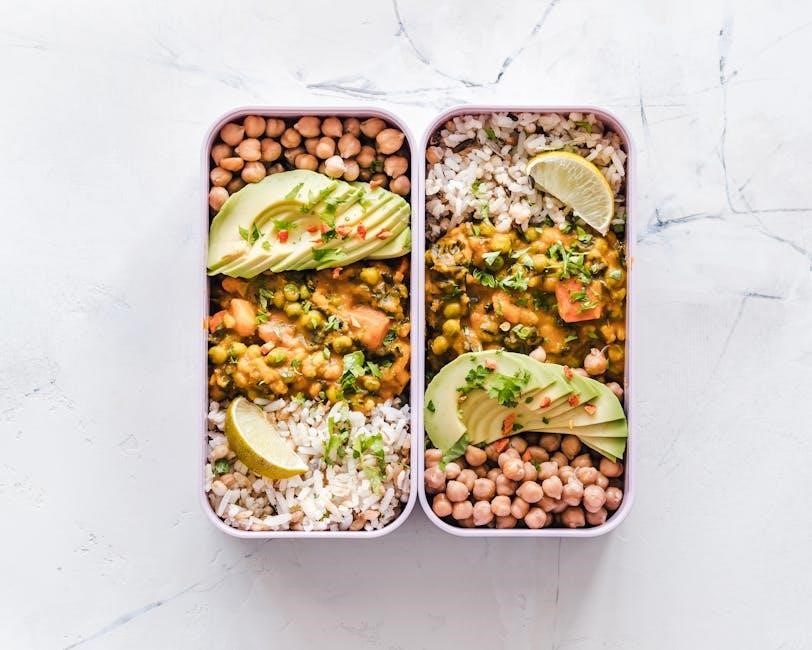
Here’s a sample 1500-calorie meal plan for Day 1‚ designed to illustrate a practical approach to a calorie deficit. Remember‚ individual needs vary‚ and this is a general example.
Breakfast (300 calories): Start your day with a coffee or chai (0-50 calories) alongside a breakfast essentials drink (250-280 calories). This provides a quick and convenient start without excessive calories.
Lunch (400 calories): A substantial salad with 4oz of grilled chicken or fish‚ mixed greens‚ and a light vinaigrette dressing. Include a side of ½ cup of quinoa or brown rice for added fiber and sustained energy.
Dinner (500 calories): Baked salmon (4oz) with 1 cup of steamed broccoli and ½ cup of sweet potato. Salmon is rich in protein and healthy fats‚ promoting satiety.
Snacks (300 calories): Two snacks are included: an apple with 2 tablespoons of almond butter (200 calories) and a small Greek yogurt (100 calories). These provide a boost of energy and help curb cravings between meals.
Important Note: This plan prioritizes protein and non-starchy vegetables to maximize fullness and support weight loss. Adjust portion sizes based on your individual needs and activity level.
1500 Calorie Meal Plan Example ⎻ Day 2
Following the principles of a calorie deficit‚ here’s a 1500-calorie meal plan example for Day 2. This plan continues to emphasize protein‚ vegetables‚ and whole grains for optimal satiety and nutritional value. Remember to adjust portions to fit your specific requirements.
Breakfast (300 calories): Begin with your preferred coffee or chai (0-50 calories) and supplement with a breakfast essentials drink (250-280 calories) for a quick and easy start to the day.
Lunch (400 calories): Enjoy a turkey breast sandwich on whole-wheat bread with lettuce‚ tomato‚ and a small amount of mustard. Pair it with a side of carrot sticks and hummus for added fiber and nutrients.
Dinner (500 calories): Prepare a chicken stir-fry with 4oz of chicken breast‚ mixed vegetables (broccoli‚ peppers‚ onions)‚ and 1/2 cup of brown rice. Use a low-sodium soy sauce or teriyaki sauce sparingly.
Snacks (300 calories): Include two snacks: a handful of almonds (approximately 23 almonds ⎻ 160 calories) and a small banana (100 calories) plus a hard-boiled egg (70 calories).

Remember: Hydration is key! Drink plenty of water throughout the day to support your weight loss efforts and overall health.
Breakfast Options (Coffee/Chai‚ Breakfast Essentials Drinks)
For those following a calorie deficit meal plan‚ breakfast doesn’t need to be elaborate or time-consuming. Many individuals opt for simple‚ low-calorie options to kickstart their metabolism without exceeding their daily limits. Coffee or chai‚ consumed black or with a minimal amount of sweetener‚ provides a caffeine boost with negligible calories – typically around 0-50 calories per serving.
Breakfast essentials drinks‚ such as protein shakes or meal replacement beverages‚ offer a convenient and controlled calorie intake. These drinks often contain a significant amount of protein‚ which promotes satiety and helps preserve muscle mass during weight loss. Look for options with around 250-300 calories per serving.
Combining either of these options allows for a quick and efficient breakfast that aligns with a calorie-restricted diet. It’s a practical solution for those who don’t typically enjoy a large breakfast or are short on time. Remember to check the nutritional labels and choose options with minimal added sugars.
Lunch Ideas for a Calorie Deficit
Crafting satisfying lunches within a calorie deficit requires focusing on lean protein‚ fiber-rich vegetables‚ and controlled portions. A large salad with grilled chicken or fish (around 4-6oz) and a variety of non-starchy vegetables like spinach‚ lettuce‚ cucumbers‚ and bell peppers is an excellent choice‚ typically ranging from 300-400 calories.
Another option is a turkey or chicken breast sandwich on whole-wheat bread with lettuce‚ tomato‚ and a light spread of mustard. Pair this with a side of carrot sticks or a small apple for added fiber and nutrients. Aim for around 350-450 calories for this meal.
Leftovers from dinner are also a fantastic lunch option‚ ensuring you stay on track with your meal plan. Soups‚ particularly vegetable-based or broth-based soups with lean protein‚ can be incredibly filling and low in calories. Prioritize mindful portion sizes to maintain your calorie deficit.
Dinner Recipes for Weight Loss
Weight loss-focused dinners prioritize lean protein sources and abundant non-starchy vegetables. Baked salmon (4-6oz) with roasted broccoli and quinoa is a nutritious and satisfying option‚ typically around 400-500 calories. Salmon provides healthy fats‚ while broccoli offers fiber and essential vitamins.
Chicken stir-fry with brown rice is another excellent choice. Use a small amount of low-sodium soy sauce and plenty of colorful vegetables like bell peppers‚ onions‚ and snap peas. Control the portion of brown rice to keep the calorie count in check (around 450-550 calories).
Lean ground turkey or chicken breast can be used to create a hearty chili packed with beans and diced tomatoes. Serve with a small side salad for added fiber. This provides a filling and flavorful meal‚ generally falling within the 350-450 calorie range. Remember portion control is key for successful weight management.
Meal Plan Customization & Considerations
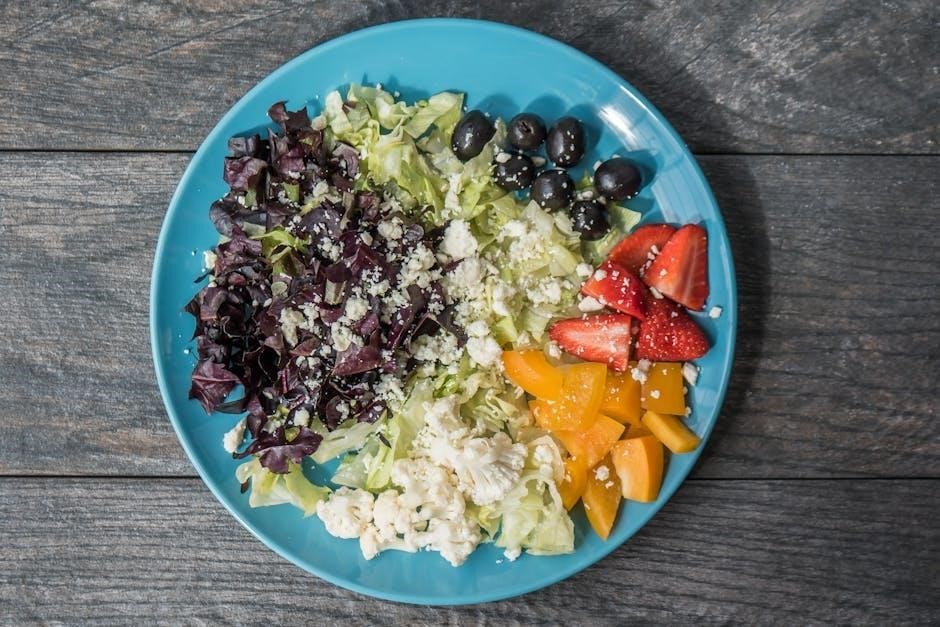
Adapting a calorie deficit plan requires personalization. Consider dietary needs‚ like the Mediterranean diet‚ and address cravings with strategic snacks. Hydration is also crucial for success.
Adapting the Plan to Your Dietary Needs
Personalizing your calorie deficit meal plan is paramount for long-term success and adherence. A one-size-fits-all approach rarely works‚ as individual dietary needs and preferences vary significantly. If you follow a specific diet‚ such as vegetarian‚ vegan‚ gluten-free‚ or keto‚ the standard plan needs modification.
For vegetarians and vegans‚ ensure adequate protein intake through plant-based sources like lentils‚ beans‚ tofu‚ and tempeh. Gluten-free individuals should substitute gluten-containing grains with alternatives like quinoa‚ rice‚ or corn. Those on a ketogenic diet will need to drastically reduce carbohydrate intake and increase healthy fat consumption.
Consider any food allergies or intolerances. Carefully review ingredient lists and substitute accordingly. For example‚ if you’re lactose intolerant‚ opt for dairy-free alternatives like almond milk or soy yogurt. Furthermore‚ cultural preferences should be incorporated to make the plan more enjoyable and sustainable. Don’t hesitate to swap out ingredients with similar nutritional profiles that align with your tastes and traditions. Remember‚ consistency is key‚ and a plan you enjoy is easier to stick with.
Mediterranean Diet Plan Integration
Integrating the principles of the Mediterranean Diet into your calorie deficit meal plan offers a synergistic approach to weight loss and overall health. This dietary pattern‚ inspired by traditional eating habits in Mediterranean countries‚ emphasizes fruits‚ vegetables‚ whole grains‚ legumes‚ nuts‚ seeds‚ and olive oil.
A Mediterranean-style calorie deficit plan naturally supports weight management due to its focus on nutrient-dense‚ lower-calorie foods. Prioritize fish and poultry over red meat‚ and incorporate healthy fats from sources like avocados and olives. Limit processed foods‚ sugary drinks‚ and refined carbohydrates.
Sample meal ideas include Greek salads with lean protein‚ lentil soup‚ and baked fish with roasted vegetables. The abundance of fiber in this diet promotes satiety‚ helping you feel fuller for longer and reducing cravings. Furthermore‚ the anti-inflammatory properties of the Mediterranean Diet contribute to improved health outcomes. This integration isn’t just about weight loss; it’s about adopting a sustainable‚ health-promoting lifestyle. It’s a delicious and effective way to achieve your goals.
Snack Ideas to Curb Cravings
Navigating a calorie deficit doesn’t mean eliminating snacks entirely; strategic snacking can actually prevent overeating at meals and manage cravings effectively. The key is to choose snacks that are both satisfying and low in calories‚ providing sustained energy without derailing your progress.
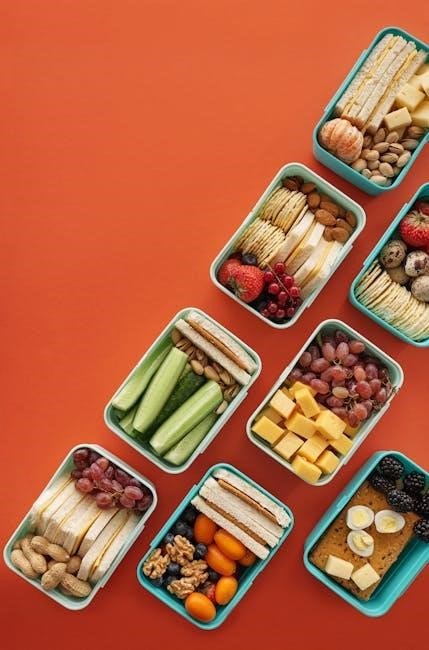
Excellent options include a small handful of almonds (around 23 almonds is a good portion)‚ a Greek yogurt with berries‚ or sliced vegetables like carrots and celery with hummus. A hard-boiled egg provides a protein boost‚ keeping you feeling full. Consider a small apple with a tablespoon of peanut butter for a combination of fiber‚ protein‚ and healthy fats.
Pre-portioning snacks is crucial to avoid mindless eating. Avoid sugary or processed snacks‚ as they can lead to energy crashes and increased cravings. Focus on whole‚ unprocessed foods. Planning your snacks ahead of time ensures you have healthy options readily available when hunger strikes‚ supporting your calorie deficit plan and long-term success.
Hydration: The Role of Water in Weight Loss
Adequate hydration is paramount when following a calorie deficit meal plan‚ often overlooked but critically important for optimal weight loss and overall health. Water plays a multifaceted role‚ extending beyond simply quenching thirst.
Drinking water before meals can promote a feeling of fullness‚ leading to reduced calorie intake. It also boosts metabolism‚ aiding in the efficient burning of calories. Water is essential for numerous bodily functions‚ including digestion and nutrient absorption‚ which are vital during weight loss.
Often‚ thirst is mistaken for hunger‚ leading to unnecessary snacking. Staying well-hydrated can help differentiate between the two. Aim for at least eight glasses of water per day‚ and increase intake during physical activity. Consider incorporating water-rich foods like fruits and vegetables into your plan. Proper hydration supports your calorie deficit efforts and enhances overall well-being.
Resources & Tools
Utilize online databases and apps to track calorie intake and macronutrients. PDF meal plan templates offer structure‚ while a registered dietitian provides personalized guidance for success.
Finding Calorie Information for Foods
Accurate calorie tracking is fundamental to a successful calorie deficit meal plan‚ and thankfully‚ numerous resources are readily available. Online databases‚ such as those offered by the USDA FoodData Central‚ provide comprehensive nutritional information for a vast array of foods. These databases detail not only calorie counts but also macronutrient breakdowns – protein‚ carbohydrates‚ and fats – crucial for optimizing your diet.
Many popular meal planning apps also integrate extensive food databases‚ simplifying the tracking process. These apps often allow you to scan barcodes on packaged foods‚ instantly retrieving the nutritional information. For fresh produce and bulk items‚ searching by food name or serving size is typically straightforward. Remember to be precise with portion sizes‚ as even small discrepancies can accumulate over time.
Beyond databases and apps‚ food labels themselves are an invaluable source of calorie information. Pay close attention to the serving size listed on the label‚ as the nutritional information pertains to that specific amount. When preparing meals at home‚ consider weighing or measuring ingredients to ensure accuracy. Consistent and diligent calorie tracking empowers you to stay within your deficit and achieve your weight loss goals.
Utilizing Meal Planning Apps
Meal planning apps are invaluable tools for streamlining a calorie deficit meal plan‚ offering convenience and enhanced accuracy. These applications simplify the often-complex process of tracking intake and ensuring adherence to your daily calorie goals. Many apps boast extensive food databases‚ allowing users to quickly log meals by searching for specific items or scanning barcodes – a significant time-saver.
Beyond simple tracking‚ sophisticated apps provide features like recipe suggestions tailored to your calorie needs and macronutrient preferences. Some even allow you to create custom meal plans‚ automatically calculating the nutritional content of each meal. Integration with fitness trackers is another common benefit‚ syncing activity levels to adjust your calorie targets accordingly.
Popular options include MyFitnessPal‚ Lose It!‚ and Yazio‚ each offering a unique set of features and user interfaces. Experimenting with different apps can help you find one that aligns with your individual needs and preferences. Utilizing these tools can transform a potentially daunting task into a manageable and even enjoyable aspect of your weight loss journey‚ increasing your chances of success.
PDF Meal Plan Templates
PDF meal plan templates offer a readily accessible and organized method for implementing a calorie deficit diet. These pre-designed documents typically outline a week’s worth of meals‚ complete with portion sizes and nutritional information‚ simplifying the planning process considerably. The static nature of a PDF ensures consistency and prevents accidental alterations to your carefully crafted plan.
Numerous free and premium templates are available online‚ catering to various calorie levels – including popular options like 1500 calorie plans – and dietary preferences. Many templates include grocery lists‚ further streamlining the preparation process. Customization is often possible‚ allowing you to swap out meals or adjust portion sizes to suit your individual needs.
The advantage of a PDF lies in its portability; you can easily access it on any device and print it for convenient reference. While apps offer dynamic tracking‚ a PDF provides a clear‚ visual overview of your entire week‚ fostering accountability and reducing the likelihood of impulsive food choices. Utilizing these templates can be a powerful first step towards achieving your weight loss goals.
Consulting with a Registered Dietitian
While calorie deficit meal plan PDFs offer a convenient starting point‚ personalized guidance from a Registered Dietitian (RD) is invaluable for optimizing results and ensuring nutritional adequacy. An RD can assess your individual needs‚ considering factors like activity level‚ medical history‚ and dietary preferences‚ to create a tailored plan.
Unlike generic PDFs‚ a dietitian’s approach addresses potential nutrient deficiencies and helps you navigate any underlying health conditions. They can determine a safe and effective calorie deficit‚ preventing metabolic slowdown or muscle loss. Furthermore‚ an RD provides ongoing support and accountability‚ helping you overcome challenges and maintain long-term success.
They can also assist in interpreting food labels‚ understanding macronutrient ratios‚ and making informed food choices beyond the scope of a pre-made plan. A dietitian ensures your calorie deficit is sustainable and aligns with your overall health goals‚ offering a level of personalization that a PDF simply cannot match. Investing in professional guidance can significantly enhance your weight loss journey.